Any tips for this? It doesn’t need to be pretty.
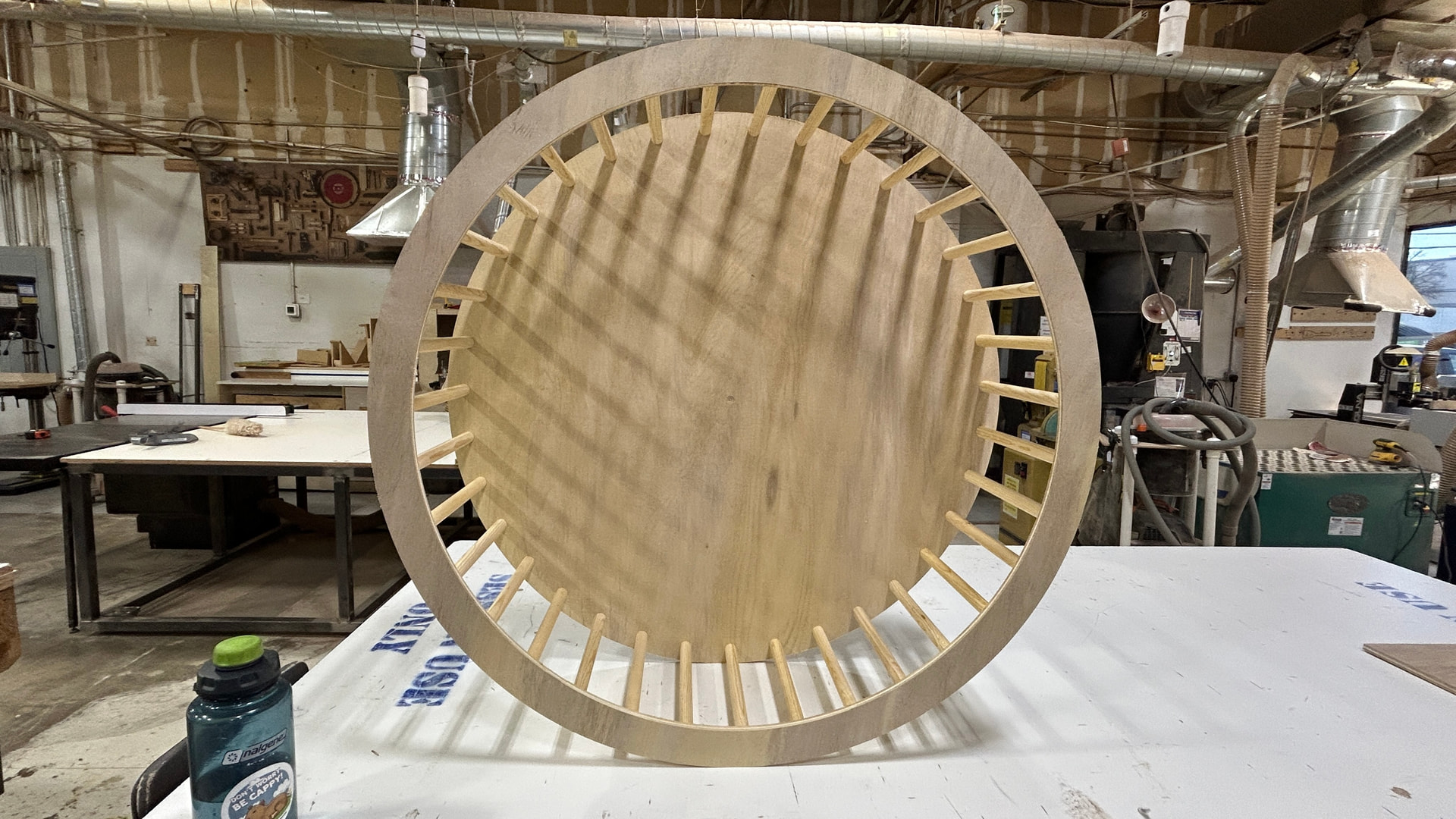
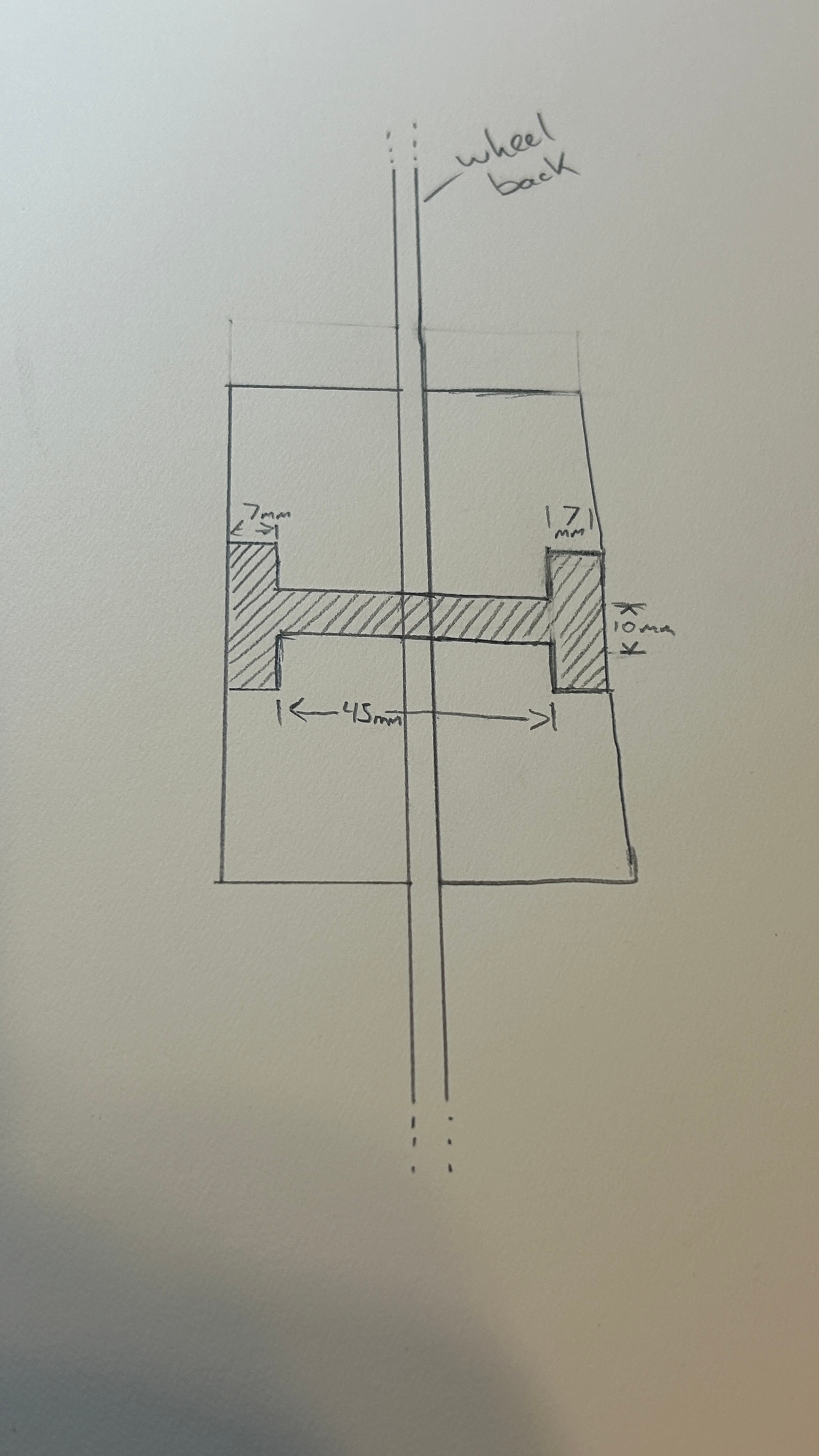
For my cat wheel project, I’m going to try to build a hub assembly that houses two 22mm OD 7mm thick skateboard bearings with a 45mm long (8mm ID 10mm OD) steel spacer between them. I need the bearings to fit flush to the ends, so the thickness is specific. The whole thing needs to attach to the 36" diam. plywood disc that is the back of the wheel.
I’m also open to alternative ideas:
Use hardwood instead?
Trim my metal spacer to fit?
Other?
One way if I understand your need is to laminate a core of plywood like a sandwich, but with hardwood on both top and bottom, and once this glue up is set, you can dial down the thickness on the thickness planer until it’s perfect.
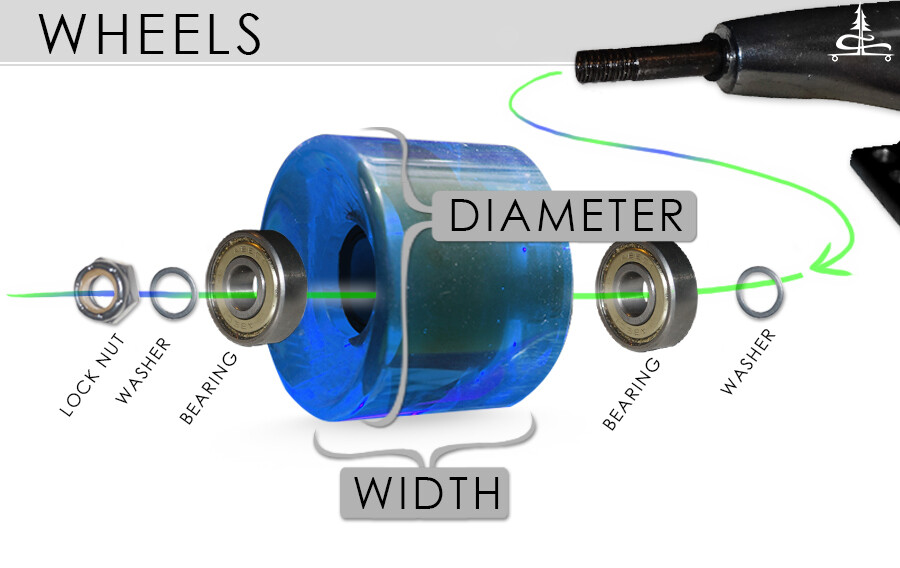
Kind of like this but made of wood instead of urethane. Originally I was going to tightly insert and glue a longboard wheel into the center of my wheel but I’ve been told that it won’t stay. Now I’m looking to construct the bearing housing out of wood and glue that to the back of the wheel
I plan to make the bearing housing out of two mirrored halves and sandwich the back of the wheel between them. I can pocket the bearing indentations with the CNC to assure a tight fit.
Note that the wheel weighs ~15lbs and I’d like to support a 20 lb cat running possibly jumping inside it, so this bearing housing must withstand significant forces without deforming the wood.
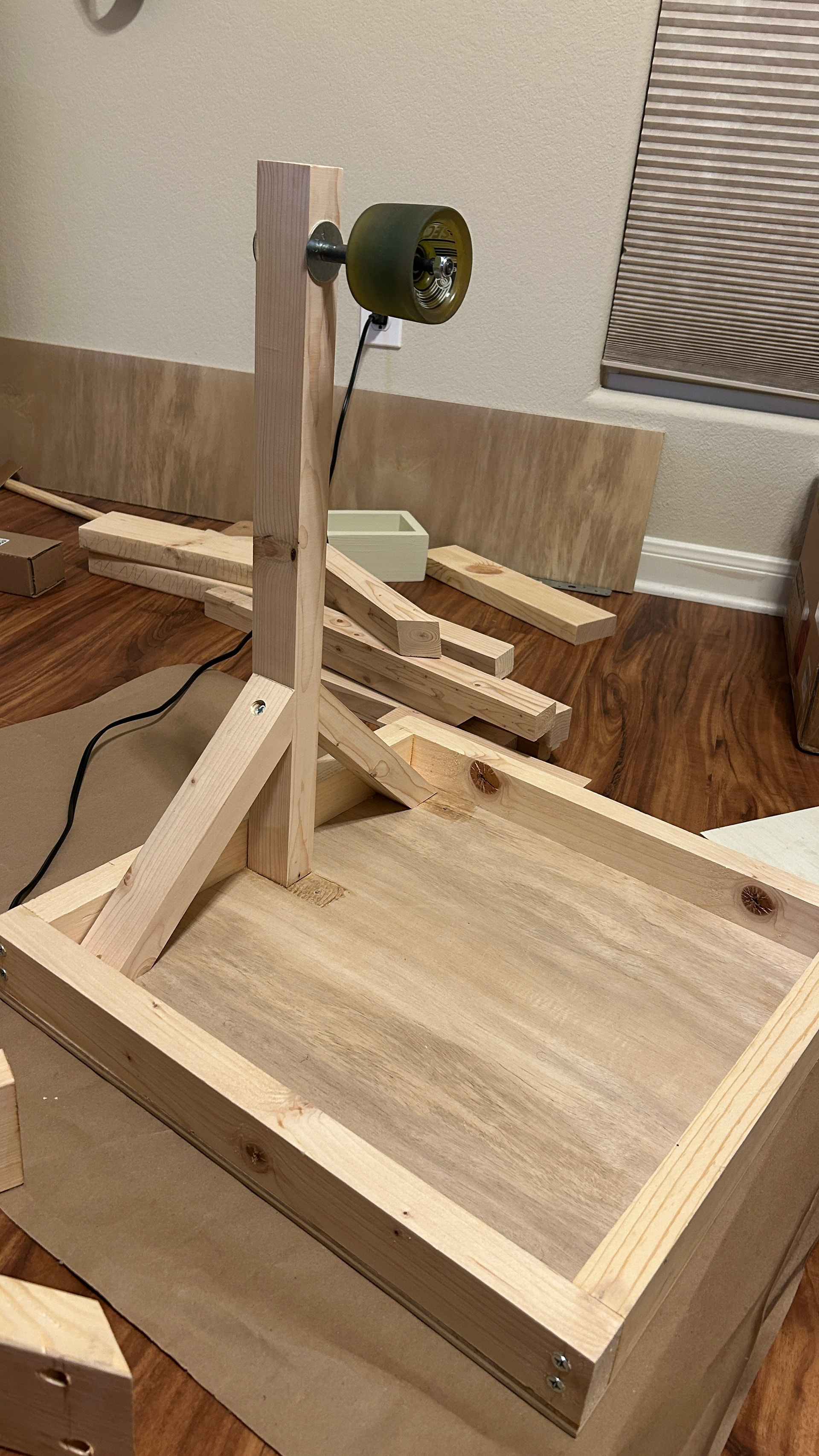
I’m aware that other cat wheel designs are more stable but I’m committed to the central axle “ferris wheel” design for this one.