Of course! One of the key things about any automation project is graceful degredation - it must continue to work manually with safe defaults if/when our Home Assistant install is rebooting, or hardware dies, or network is down.
Documentation is a good thought too! I think it belongs on the Wiki where anyone can update and correct things. I will find a good place to do this.
Big changes would need big validation - so you’ll definitely get notice, time for testing, and we’ll have a fallback plan.
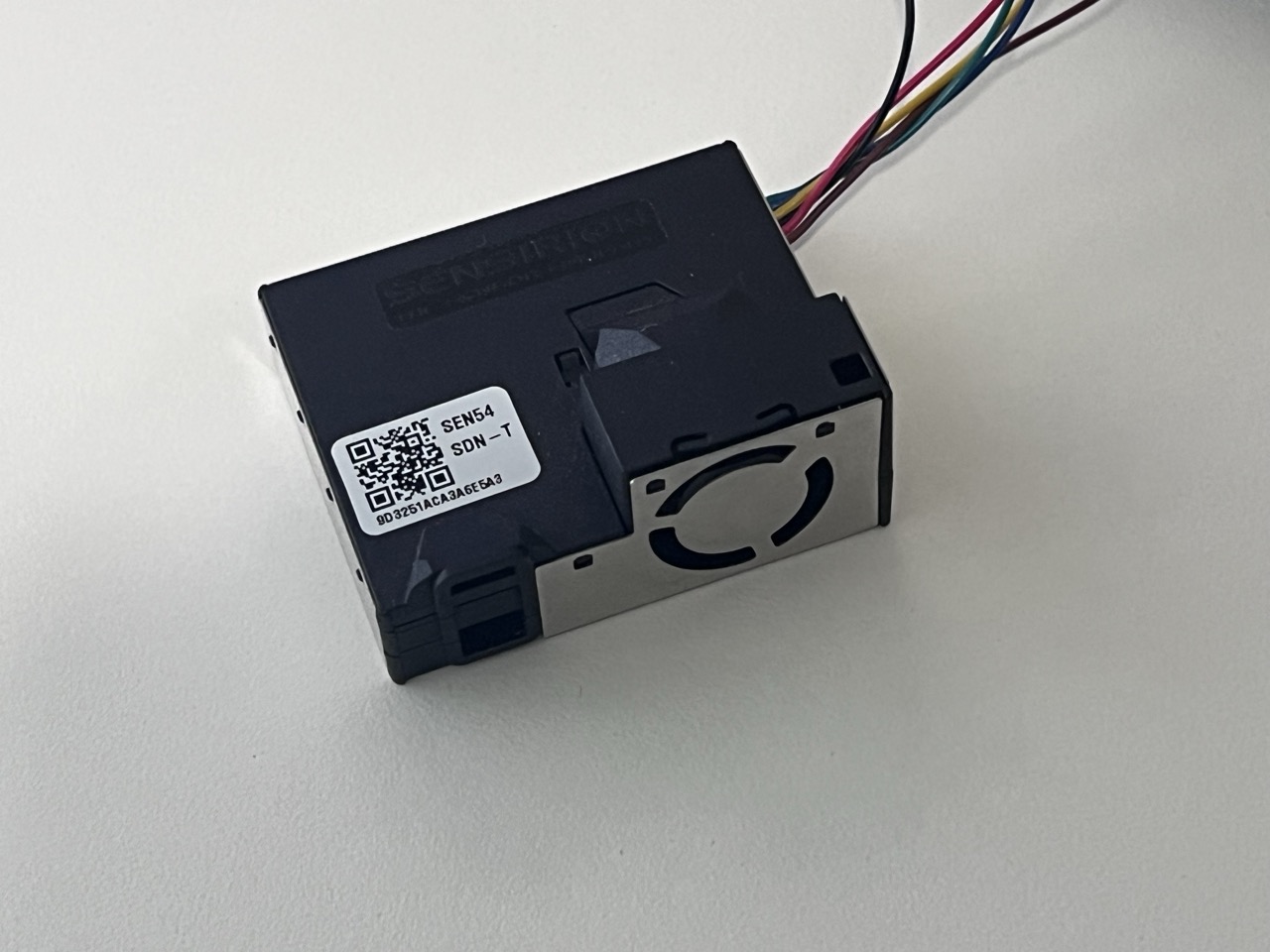
It should be possible to build Davis Airlink type monitors at a lower cost. I took one of these down during the Dust Collector switchover weekend and noticed it appeared to leverage a Sensirion air quality sensor like this that also measures temp humidity and VOCs.
On the filter monitoring side, same company Sensirion, makes differential pressure sensors. Could place one port after the filter and the other into the shop to capture the static pressure and replace before it hits 0.5 in H20.
Should be pretty straightforward to make these for filter monitoring using cheap ESP32 board, etc. too.
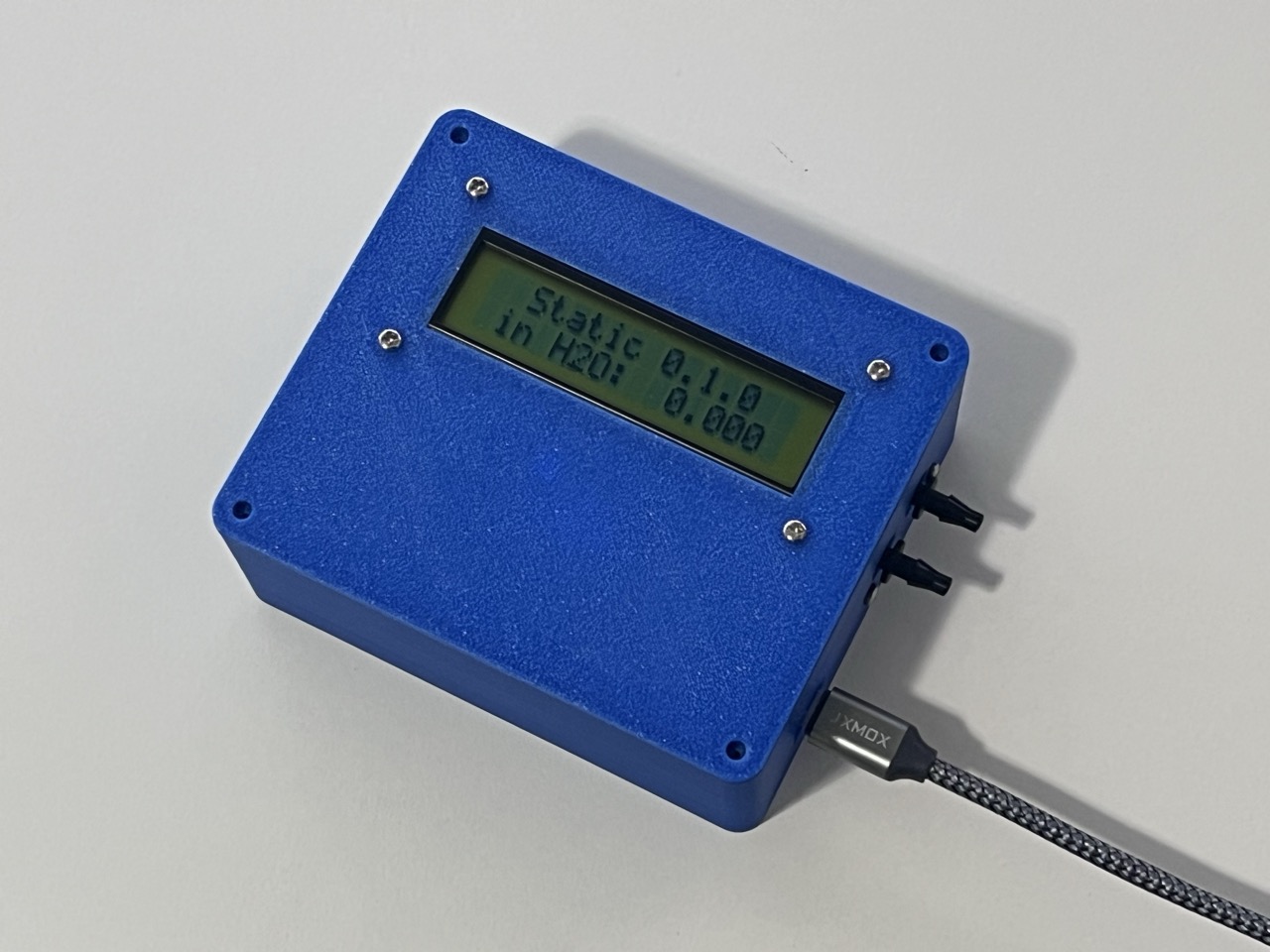
I’ve built a small portable monitor that I’ve been using to check my filters every month to see if any of them are loaded enough to warrant replacement, rather than just changing them every 3 months as recommended. Also poked a hole in my return ducting to check the whole system static pressure as well.
This is very similar to the sensors we have. And you are correct on the implementation. I believe facilities will love not having to guess, or get the ladder out for filter checking.
Cool! It seems like the tubing used can be pretty standard pneumatic. I know we use PTFE in 3DP at this exact size (2.5mm ID, 4mm OD), so if I see any deals come around on it I’ll let you know. We may also have some lengths too short for printer use in stock already. I’m pretty sure we have a fair number of threaded pneumatic couplers as well.
This is just standalone, running off an old Adafruit Feather with an ESP module, an ancient serial LCD and the sensor hooked up to I2C so not much interesting except the sensor. I hadn’t gone the ESP home route yet, just using PlatformIO to write the code.
The link Jon shared has a schematic in KiCad and that’s pretty much what I had begun to sketch out, so no need to re-invent the wheel.
I think producing useful analytics is going to be the main challenge on the pressure sensors - I’ve been running one at home for a few months and the data is very noisy. There’s the obvious short-term noise from the blower hopping stages, but also there seems to be some long-term zero drift on the sensor. A simple average would wind up primarily tracking the duty cycle of the blower. I imagine a solution that keeps separate time-weighted average variables for each blower state, discarding data from some number of seconds before and after a blower state change, and with the “on” values adjusted based on the latest “off” value.
Perhaps the “filter” integration provides sufficient building blocks? My template-fu isn’t strong enough for a fully-formed plan.