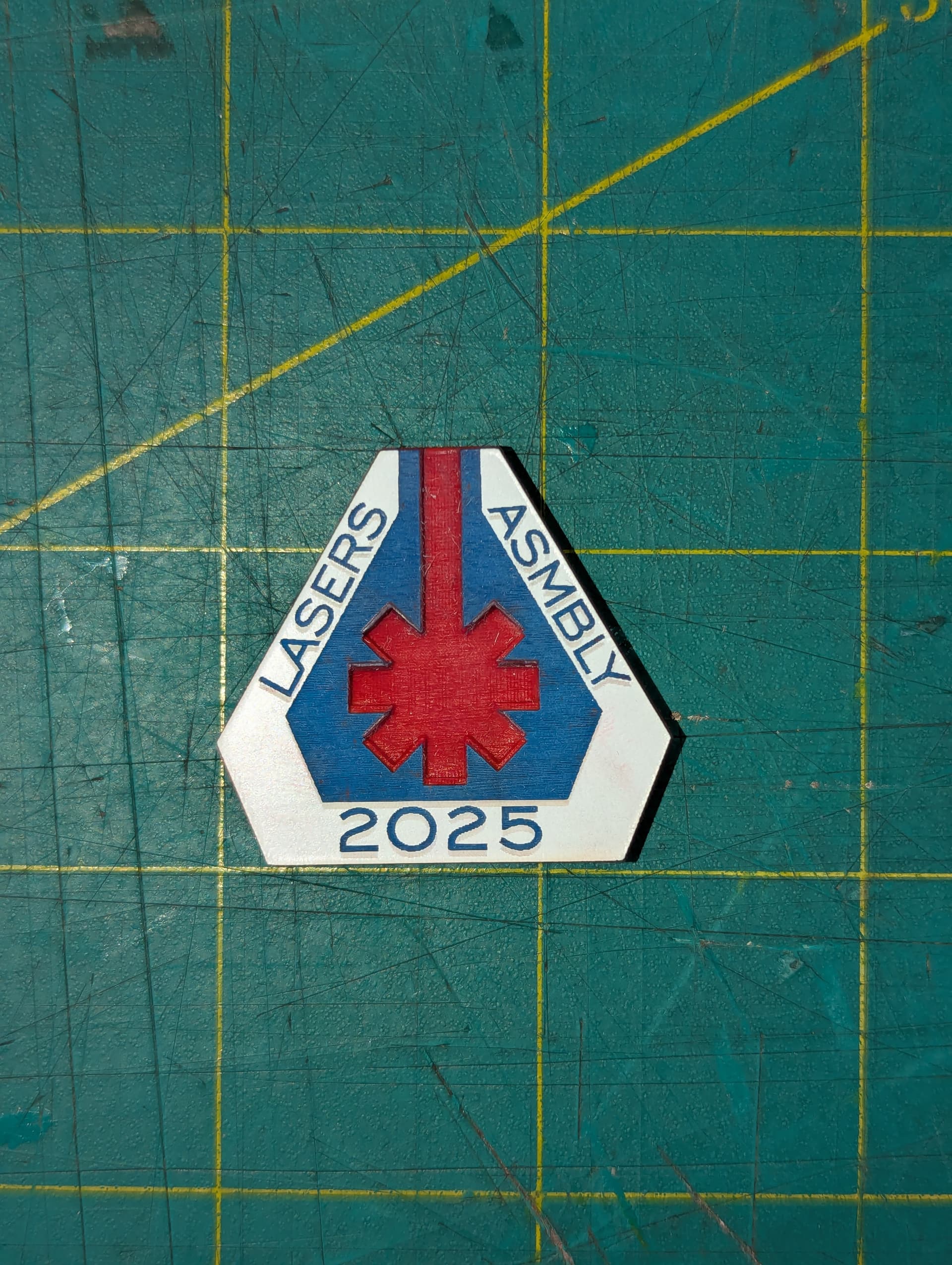
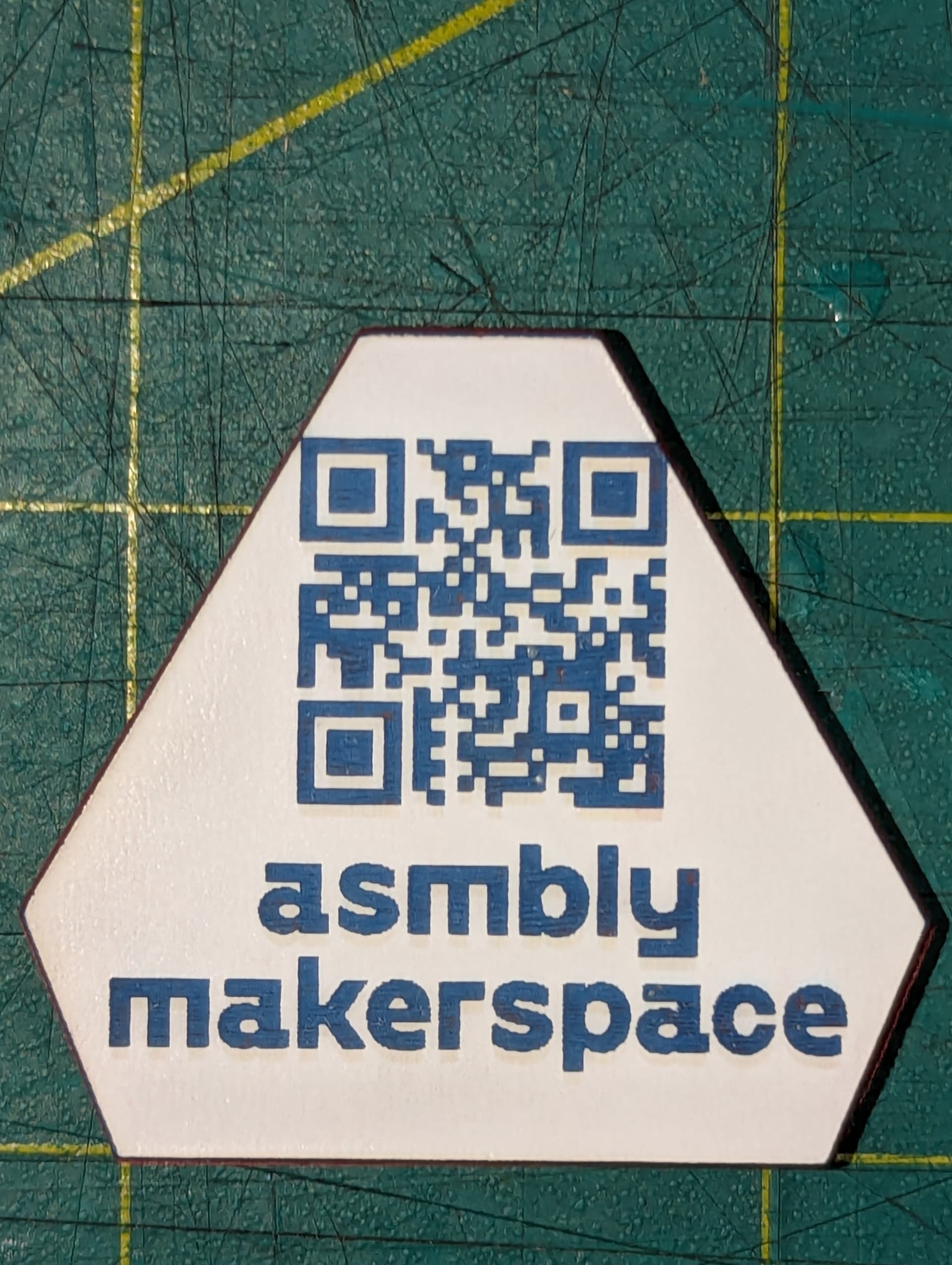
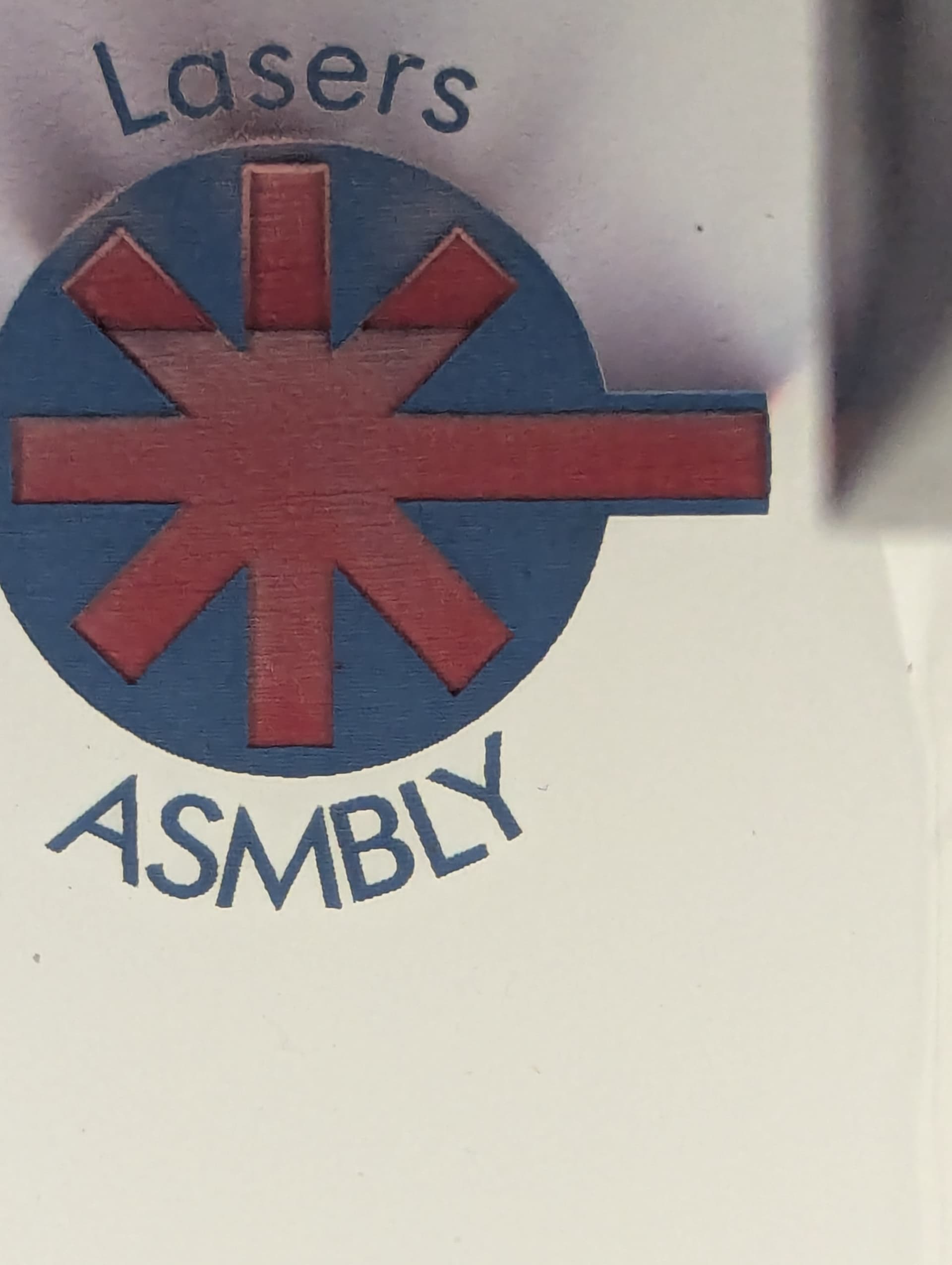
It is not a quick process, because you’re removing the volumetric equivalent of several linear meters of regular cutting.
Tarkin is about 2x more powerful than Pearl, and close to 3x more than Dorian.
Pearl, Blue, and Tarkin are all RF-excited tubes that smoothly throttle down to any power you need, and also switch on/off at high raster speeds so the edge is crisp. Dorian is an HVDC-excited system which is weaker in these areas.
But, I’d recommend about 300-400 mm/sec raster and <0.05mm line interval. Smaller line intervals make the bottom smoother, but 0.05mm is already pretty smooth. It will take 2x longer to do 0.025mm LI because it’s 2x the passes, but also cuts 2x deeper for the same speed/power setting. Unless your depth target is pretty shallow, Tarkin at 300-400mm/s 100% power 0.05mm probably won’t be cutting too far.
To go deeper, you can slow it down at 0.05 LI, or keep it at 300-400mm/sec 100% power and reduce the LI further. I generally prefer the latter.
ALWAYS soap the top surface with a drop of hand dishwashing detergent and no water, spread thin. There’s a bottle at the coffee maker sink just for that. It will keep the vaporized acrylic droplets from condensing back on the surface. If you don’t do that, they weld to the top and it won’t clean off and it will be “frosted” around the cut. You just wash off the detergent when done.
I don’t recommend multiple passes. After a single pass, I still have a significant layer of acrylic dust in a deep fill-removal area. It’s loose and washes off fairly easy, even though it’s not water-soluble. A second pass would mostly re-melt this stuff. Two or more passes will still remove this debris, but it’s more material to be removed so it will take longer than one pass to hit a depth target, and not as consistent on the depth. Also the second pass will have a focus problem, as it was focused only for the first pass’ top surface.
On Tarkin I’d say limit to about 300mm/s for that size. It can raster up to 1000mm/s, but faster will actually be SLOWER, by a wide margin, on small items like this. This is because the controller guarantees constant velocity rastering and will give it however much blank runway on the left and right it needs to brake, turn around, and accel back and be at the commanded speed for the ~1” width of the actual design content. Takes much more fixed space and time to reach 1000mm/s regardless of design content width. If your raster content is wide, and content is much more than the runway margins, then 1000mm/s will be >3x faster. But 1” like this is a different case.
The air assist on Tarkin or Dorian will blow a small part like that away if you’re not doing the normal case where you’d clamp a piece of stock down, raster fill, and then do a cutout as the very last step. You need to secure it if it’s a loose precut part, like double-sided tape maybe.
Don’t use the exact same edge for a Fill to do the vector cutout. That’s right on the wall, so it’s uncertain if the beam has to go through the full or reduced cut thickness. And it could have a narrow region right on the edge where it’s much thicker that the rest of the “fill” area, creating a narrow perimeter wall. You can extend the fill area like 0.5mm on the left and right and be certain the vector cutout will always be inside the fill with a consistent depth to the edge
Pearl and Blue don’t use air assist. The vaporized acrylic will work “differently” - on one hand, it won’t be blasted back down onto the surface where it welds back on, but neither it is blowing it out, so it could be potentially be “cleaner” without AA- or it could be worse.
My first choice would be Tarkin, soaped down, for sure, but you can do it on any machine